Au Sable River Trout Fishing
River - Northern Lower Peninsula
The Au Sable River
The Au Sable is one of the defining trout rivers of Michigan's northern Lower Peninsula and one of the waters most closely associated with the state's fly-fishing history.
The river begins near Grayling and flows east across northern Michigan toward Lake Huron. Along the way, the system changes considerably. Upper trout-oriented water, tributary influence, larger downstream reaches, impoundments and changing habitat mean that “fishing the Au Sable” does not describe one uniform experience.
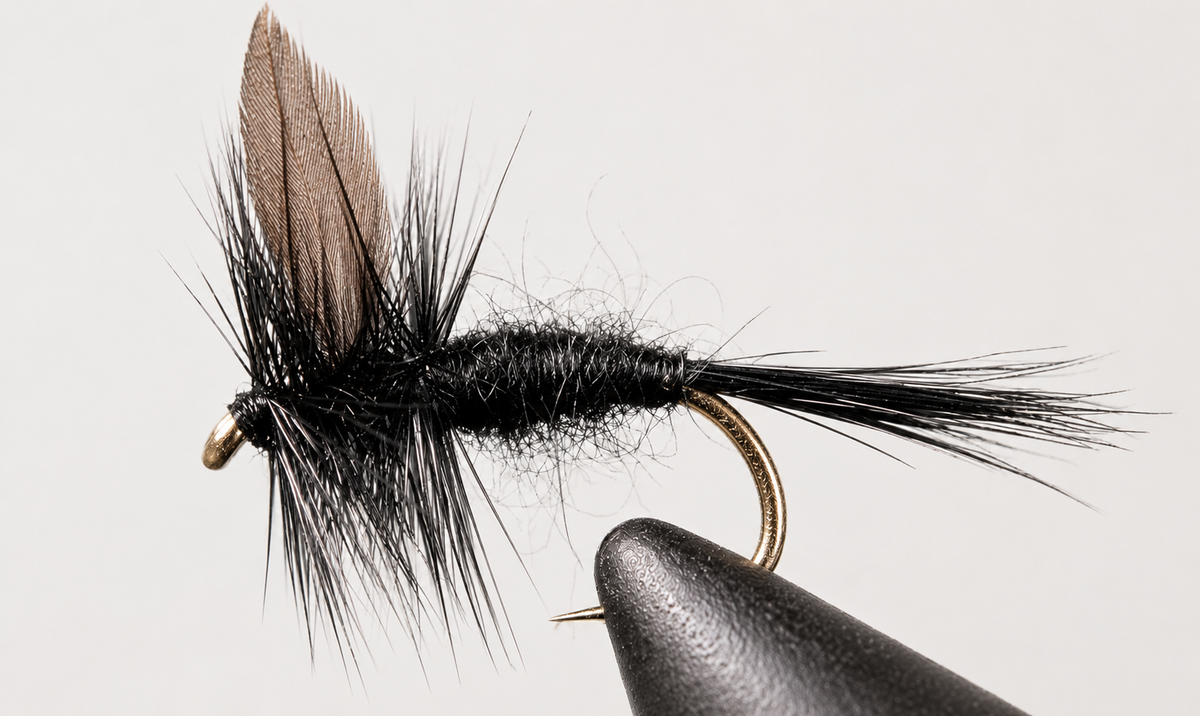
For trout anglers, the river is best known for its Brown Trout and Brook Trout fisheries, strong fly-fishing culture and seasonal aquatic-insect activity. Rainbow Trout also belong to the broader system where habitat and management support them.
The river's identity is shaped by coldwater influence, forested banks, sand and gravel, woody cover, riffles, runs, pools and long sections where current looks deceptively gentle until an angler begins trying to present a fly naturally.
The Au Sable also carries unusual historical importance. Long before today's Brown Trout fishery became famous, the river was deeply associated with Michigan Grayling and early American fly-fishing culture.
Today, its reputation attracts anglers from well beyond Michigan. That pressure is part of the fishing problem. Knowing the river matters more than simply knowing its name.
What Fishing the Au Sable Is Actually Like
The Au Sable rewards anglers who pay attention to subtle water.
Depending on the reach, the river can present a mixture of:
- riffles
- long runs
- slicks
- deeper pools
- undercut banks
- woody structure
- sand and gravel
- complex current around logs, bends and changing depth
Some water appears gentle on the surface while holding several different current speeds underneath. That matters enormously when presenting flies.
A trout may hold in one current lane while your line sits in another. The result is drag before the fly reaches the fish.
Wading
Wading difficulty changes by reach. Some sections are approachable on foot, while deeper water, soft bottom, wood, changing current or bank conditions can make wading much less straightforward. Do not assume a famous fly-fishing river is automatically easy wading.
Floating
The river's size and established paddling/fishing culture also make floating relevant on appropriate reaches. A boat can provide access and presentation options that are difficult from the bank, but river conditions, launches and regulations should always be checked before a trip.
Fishing Pressure
Famous water attracts fishermen. On heavily visited sections, trout can become extremely sensitive to:
- poor approaches
- drag
- repeated casting
- heavy footsteps
- obvious presentations
The better question is often not: Where are the trout? But: Where can a trout feed without exposing itself to every angler who just walked through?
The Au Sable Fishing Problem
This is not a river where a box full of expensive flies automatically solves anything. Reading current, cover, feeding lanes, insect activity and trout behavior is the real advantage.


When to Fish the Au Sable River

Spring
Spring begins with cold water, changing flows and a fishery that increasingly comes alive as temperatures rise. Before obvious surface activity, nymphing and subsurface presentations can be highly important.
As seasonal insect activity develops, Hendricksons, Blue-Winged Olives and Caddis can create increasingly visible trout feeding.
Spring anglers should pay attention to: water temperature, flow, weather and actual insect activity.
A hatch calendar gives you a clue. The river gets the final vote.

Early Summer
Late spring into early summer can bring some of the river's strongest hatch-driven fishing. Caddis, Sulphurs and other mayflies can produce surface opportunities, while nymphs and emergers remain important below the film.
Longer days also increase angling pressure. During obvious hatches, trout may become increasingly selective about: stage, size, profile and especially drift.

Hex Season
Hex deserves its own mention. On appropriate Au Sable water, these giant burrowing mayflies can begin emerging around dusk and after dark. The food source is large enough to change trout behavior.
Large Brown Trout that spend daylight tucked near cover or deeper water may begin feeding much more openly. Fishing after dark changes the angler's problem too.
Positioning, familiarity with the water, short accurate casts and listening for repeated feeding become more important than seeing the fly.

Summer
As summer progresses, trout fishing increasingly becomes a temperature problem. Terrestrials can become important along vegetated banks, and early mornings or evenings may provide better feeding conditions.
But no hatch or famous river reputation overrides trout physiology. Monitor water temperature during warm periods. When conditions become stressful for trout, stop fishing.

Fall
Cooling water can increase activity and create strong streamer opportunities, particularly for Brown Trout. Larger fish may become more willing to chase substantial prey. Fall also approaches spawning season. Avoid targeting trout actively spawning and do not walk across visible redds.

Winter
Winter opportunity depends on the specific reach, current regulations, weather and safe access. Subsurface food remains part of the river system even when obvious surface activity disappears. Before fishing: verify the season, check current access, and understand the water you're entering.
Accessing the Au Sable River
The Au Sable flows through a landscape containing a mixture of public land, road crossings, established recreation access, boat and canoe access and private property.
That makes access relatively extensive in parts of the system - but not unlimited.
Before fishing a specific reach:
- identify an established public access point
- confirm parking rules
- confirm whether the bank is public or private
- verify launch suitability if floating
- understand the take-out before beginning a float
- do not assume being able to see the river means you have legal access to cross private land
Sections of the river and surrounding landscape are associated with public forest lands, but property boundaries still matter.
For trip planning, use official land-management and Michigan DNR resources rather than relying solely on an old fishing map or a pin shared online.
Wading
Scout unfamiliar water carefully. Soft bottom, submerged wood, unexpected depth and current changes can make a seemingly easy crossing much more difficult.
Floating
If fishing from a boat or canoe, plan launch, take-out, distance, river conditions and daylight before putting in. Do not discover your take-out problem after dark during Hex.
Au Sable River Fishing Regulations
Regulations on the Au Sable can vary by reach, species, season and management designation. Do not assume that one rule applies to the entire river system.
Before fishing a specific section, verify:
- whether that reach is currently open
- species-specific regulations
- size and possession limits
- special-regulation reaches
- tackle or lure restrictions
- catch-and-release requirements where applicable
- tributary-specific rules
- any temporary management changes
Michigan DNR is the regulatory authority.
Recommended Gear